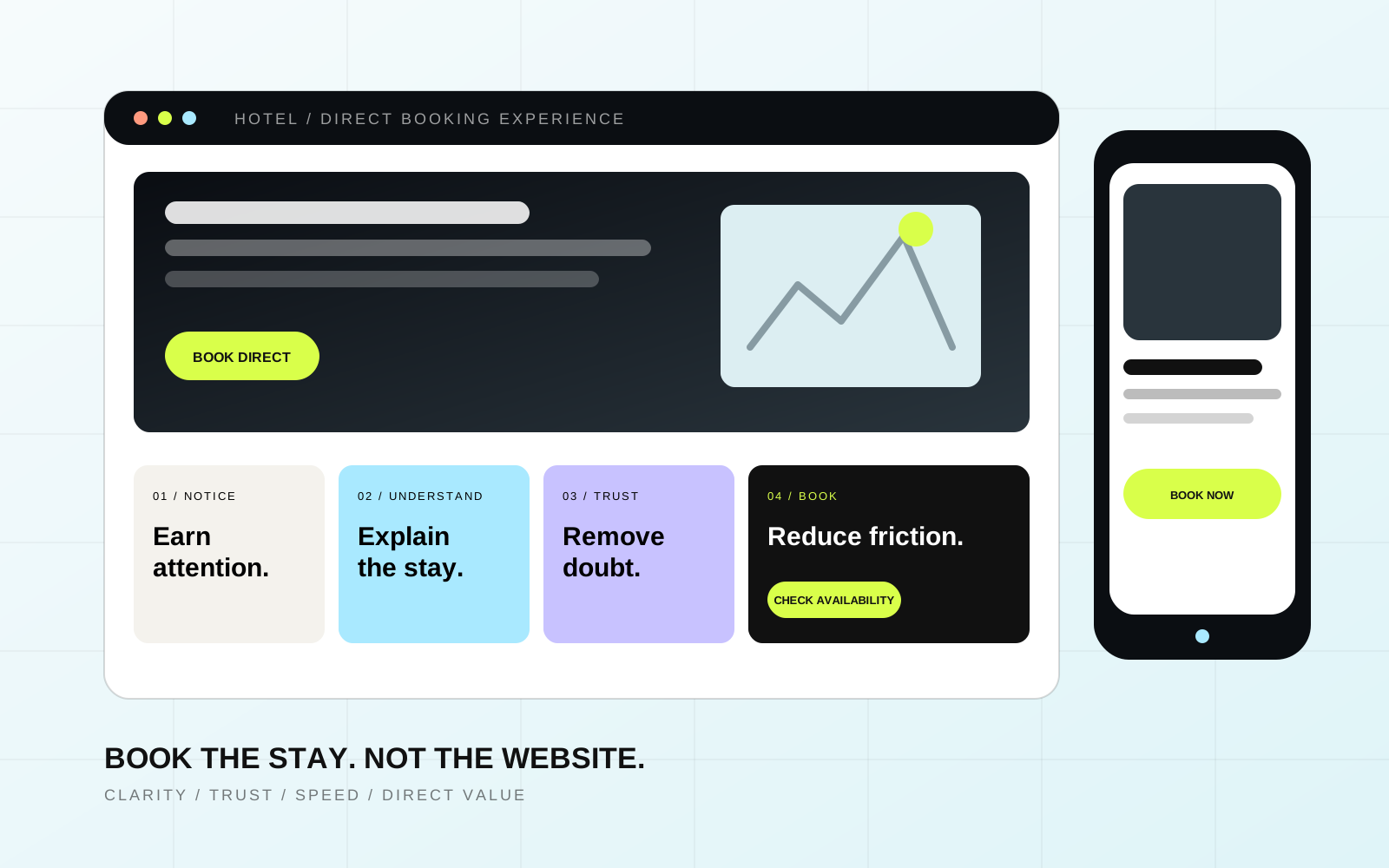
A hotel website is not a digital brochure. It is a product interface that needs to explain the stay, remove uncertainty and move the guest from interest to booking without making them work for it.
THE BOOKING INTERFACE
A guest makes four decisions before a reservation exists.
Instead of eight isolated tips, read the website through the guest's actual decision path. The browser on the left changes as the problem changes.
01 / NOTICE
Make the hotel worth another second.
VISUALClear identity
SPEEDFast first paint
MOBILEOne-hand use
CTABook is visible
01 / NOTICE
Earn attention without slowing the page down.
The first job is not to explain everything. It is to make the hotel legible and desirable quickly enough that the guest keeps exploring.
Mobile UX
Navigation, room discovery and the Book action should work naturally with one hand on a real phone.
Visual identity
Photography, typography and motion should make the property recognisable without hiding what is actually being sold.
02 / UNDERSTAND
Make the product easy to compare.
A guest should not have to decode what separates Standard from Deluxe, or hunt through multiple pages to understand breakfast, parking, room size or location.
Product presentation
Room pages should explain space, bed setup, bathroom, view and category differences with the images beside the facts.
Local discovery
Destination, transport, attractions and event content should answer questions real guests actually have.
03 / TRUST
Remove doubt at the moment it appears.
Trust is not a badge wall. It comes from clear policies, relevant reviews, predictable pricing and a website that behaves consistently.
Social proof
Room feedback belongs near rooms. Breakfast feedback belongs near breakfast. Proof works best beside the decision it supports.
Security + clarity
HTTPS, privacy choices, cancellation rules, payment expectations and real contact information should be easy to find before commitment.
04 / BOOK
Reduce friction all the way through confirmation.
The booking engine is part of the hotel website even when another vendor supplies it. The transition should feel continuous, the rate plans should be understandable and direct value should be concrete.
Booking path
Count the taps from a room page to confirmation. Every unnecessary step is another exit point.
Living technology
AI support, virtual tours and automation are useful when they reduce friction. The best technology is usually the technology the guest barely notices.
THE DESIGN TEST
Make a complicated booking decision feel surprisingly simple.